How to Spot an Illegal Online Casino: German Regulator Reveals Red Flags
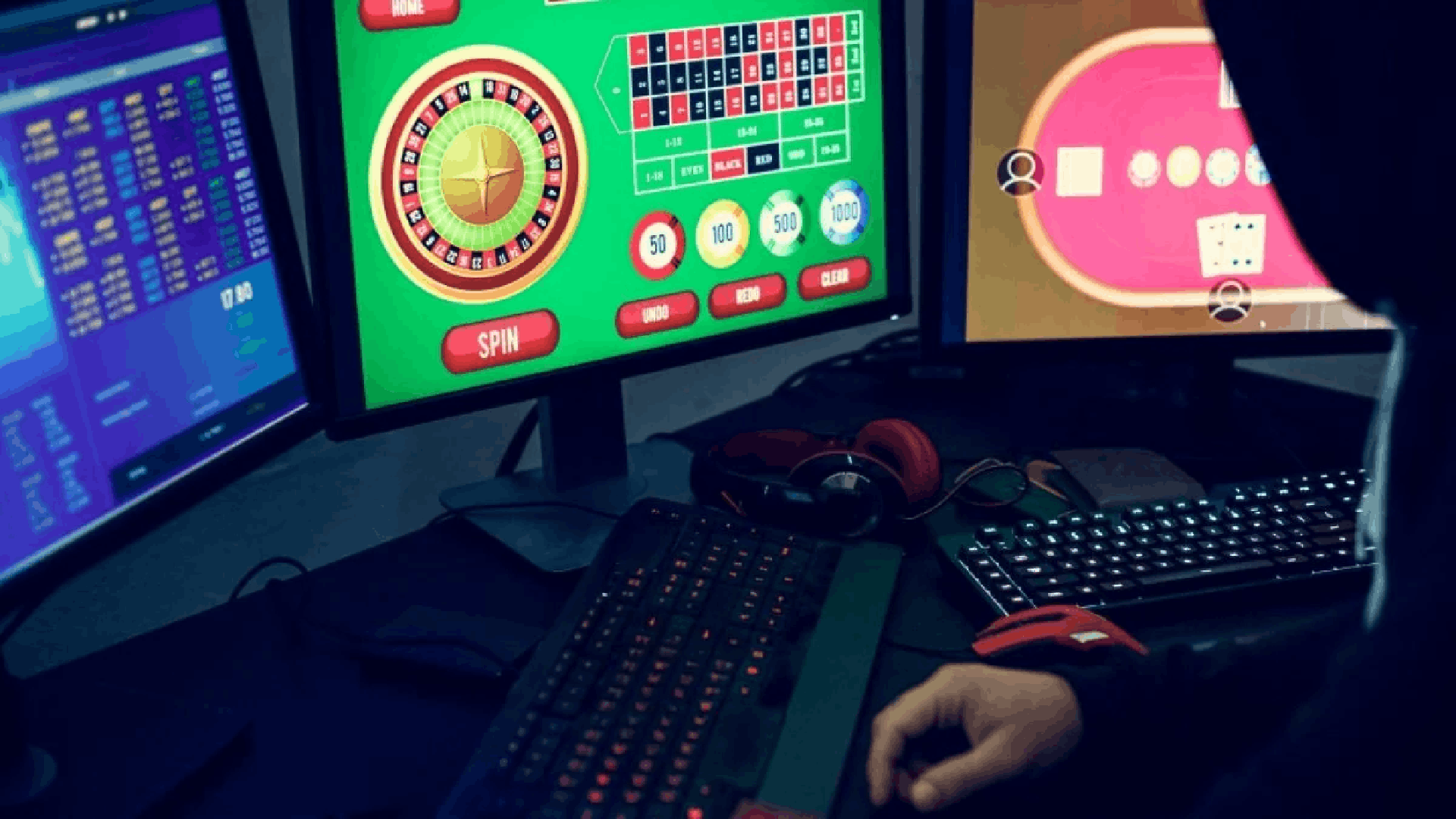
What is the appearance of an unregulated, offshore gambling website? With a new book intended to assist players in avoiding the black market, Germany's gaming regulator intends to provide an answer to that issue.
The country's gambling law, the Glücksspielneuregulierungstaatsvertrag (GlüStV 2021), is enforced by the regulator, the Gemeinsame Glücksspielbeňde der Länder, mercifully shortened to GGL. These 24 consonants and 14 vowels demonstrate how seriously Germany takes its gambling laws. In Scrabble, it's also game over.
"Seldom Look Shady"
During the Christmas season, when people tend to bet more and are consequently more likely to contact unlicensed operators, frequently unintentionally, the new guidelines, headlined "Illegal Gambling on the Internet – Recognize, Avoid, Report," were released.
The GGL cautions that offshore gambling sites rarely appear "shady" at first. Rather, these are frequently attractive, well-designed platforms with no evidence of German licensing that are specifically targeted at German-speaking gamers.
In order to show up prominently in search engine results, illegal gambling companies and their affiliates purposefully optimize material, frequently focusing on general terms like "online casino" or "casino without limits."
Additionally, the GGL cautions that some illicit operators employ "cloaking" tactics, which serve various versions of a website based on the user. While actual users are routed to casino content, search engines and regulators may see a neutral or compliant-looking page, making discovery and enforcement more challenging.
Unusually large bonuses, "no-limits" marketing, and non-.de domains are common warning signs. Additionally, they don't have the required player-protection features like the OASIS self-exclusion system or deposit caps.
GlüStV 2021, which entirely revised Germany's online gaming regulations, introduced these special protections.
Strongarm Strategies
Players are not allowed to deposit more than €1,000 a month with any licensed operator. LUGAS, a tool that aggregates deposits in real time, is used to enforce that cap, making it impossible for players to circumvent limits by switching between sites.
Additionally, licensed operators must include a persistent, round-the-clock "panic button" that enables players to instantly remove themselves and be linked to OASIS, Germany's national self-exclusion database.
Although Germany has among of the strongest gambling regulations in Europe, there are worries that players may be drawn to offshore operators, who are not subject to these limits, by lower stakes offers and limitations on online advertising.
Its goal to enhance "channelization," or a licensed jurisdiction's capacity to attract firms to the regulated market, includes the new guidelines.